

A combination of natural biological processes and external environmental factors influences skin aging. While aging naturally occurs over time, prolonged exposure to ultraviolet radiation is one of the most significant external contributors to visible skin changes. Sunlight can penetrate the skin and affect its structural components, including collagen and elastin, which are responsible for firmness and elasticity. Over the years, repeated exposure accelerates the appearance of wrinkles, fine lines, uneven texture, and discoloration. Because sun exposure occurs daily, often without immediate visible effects, its long-term impact is frequently underestimated. Understanding this connection explains why protection from ultraviolet radiation plays such a central role in maintaining skin health and appearance.
How Ultraviolet Radiation Affects Skin Structure

Ultraviolet radiation influences the skin at a cellular level, gradually breaking down the proteins that help maintain its strength and flexibility. Collagen fibers can become damaged, reducing the skin’s ability to remain firm and smooth. At the same time, the skin’s natural repair mechanisms may struggle to keep pace with ongoing exposure. This process contributes to the development of visible signs of aging that often appear earlier than expected. Changes may include loss of elasticity, increased roughness, and deeper wrinkles over time. Since these effects accumulate gradually, many people do not recognize the extent of the damage until it becomes more noticeable later in life.
Preventing Uneven Skin Tone and Pigmentation Changes
One of the most visible effects of long-term sun exposure is uneven pigmentation. Ultraviolet radiation can stimulate excess melanin production, leading to dark spots, discoloration patches, and an uneven complexion. These changes often become more pronounced with age because exposure accumulates over many years. Sunscreen helps reduce the amount of ultraviolet radiation reaching the skin, limiting the triggers that contribute to pigmentation irregularities. By helping maintain a more consistent skin tone, sunscreen plays an important role in preserving a youthful appearance and reducing some of the most common cosmetic concerns associated with aging.
The Importance of Daily Protection
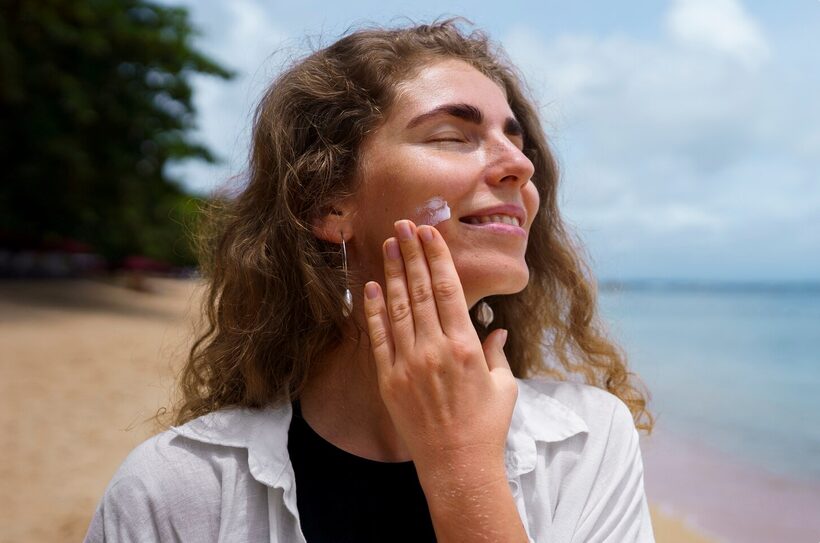
Many people associate sunscreen with outdoor activities or sunny weather, but ultraviolet radiation can affect the skin year-round. Exposure occurs during routine activities such as commuting, walking outdoors, or sitting near windows. Because this exposure is often brief and repeated daily, its cumulative impact can be significant over time. Consistent sunscreen use helps provide a layer of protection against these ongoing environmental influences. Unlike many skincare products that focus on addressing existing signs of aging, sunscreen helps reduce the factors that contribute to those changes in the first place. This preventative role is a key reason why it is considered such an important part of skincare.
Sunscreen is widely regarded as the most important anti-aging product because it helps protect the skin from one of the leading causes of premature aging: ultraviolet radiation. Supporting collagen preservation, reducing pigmentation changes, and limiting cumulative environmental damage are vital for maintaining skin health over time. Unlike products that focus on correcting existing concerns, sunscreen works to prevent many age-related changes before they become visible. This protective function makes it a fundamental component of long-term skincare and one of the most effective tools for supporting a healthier, more youthful appearance.